
Get A Quote
Why Is 304 Stainless Steel Plate the Indispensable Cornerstone of Modern Automotive & Transportation Engineering?
Apr 30, 2026
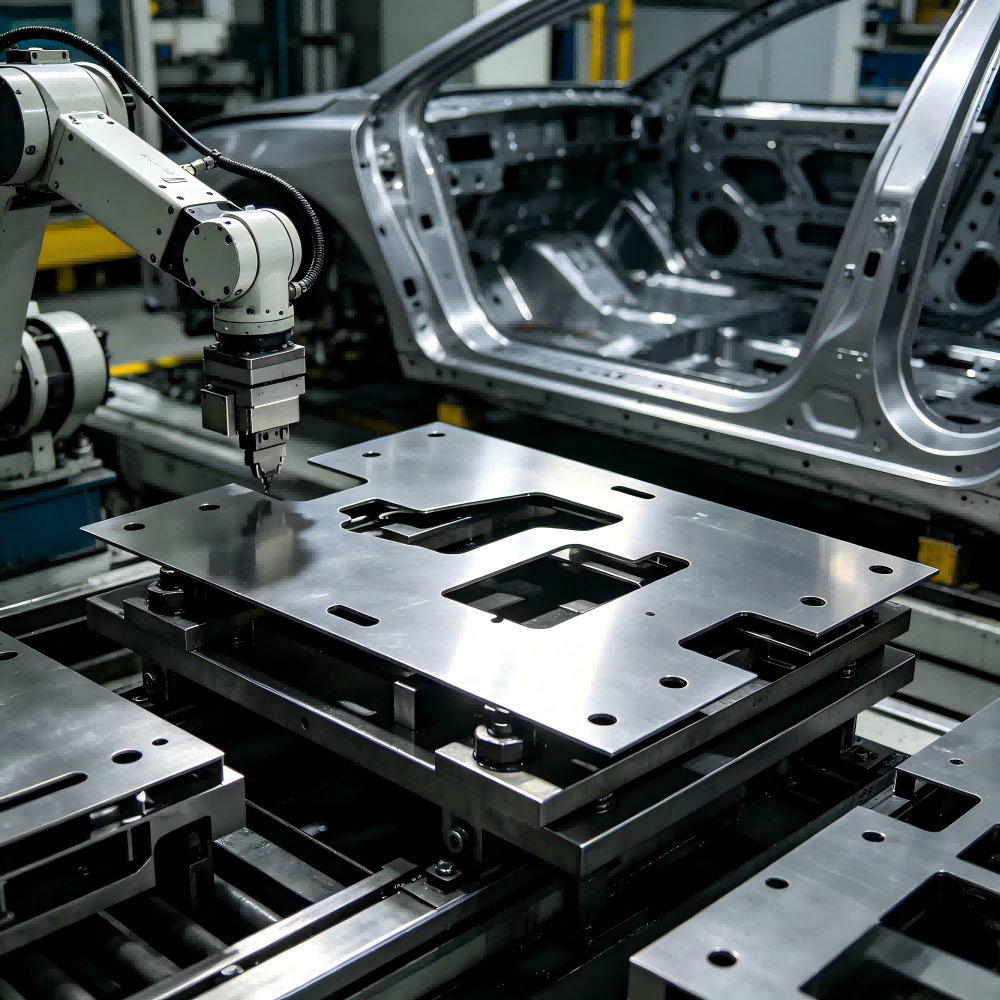
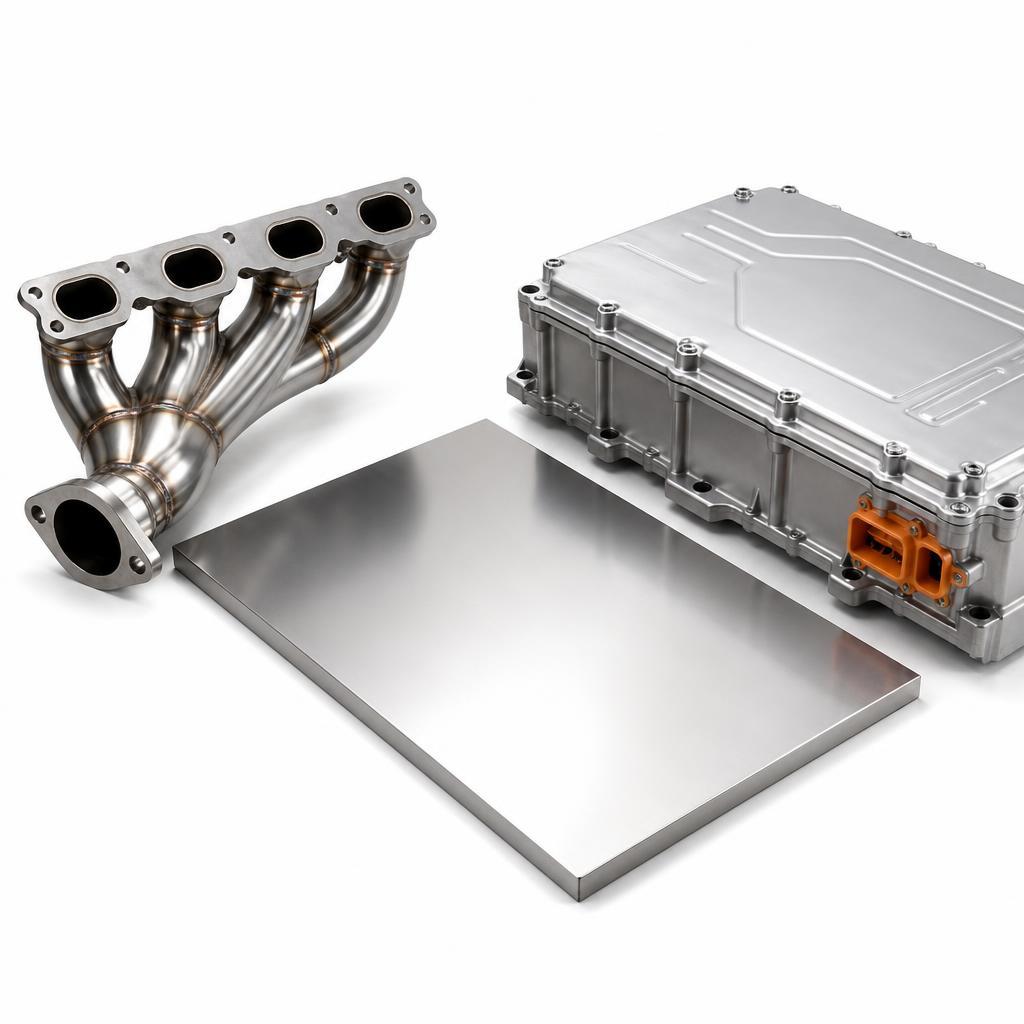
At the core of 304 stainless steel plate’s value is its unrivaled balanced mechanical and corrosion-resistant performance, addressing the transportation sector’s harshest operating conditions. With a standard composition of 18% chromium and 8% nickel, this austenitic stainless steel maintains stable tensile strength of ≥520 MPa and yield strength of ≥205 MPa across a -20°C to 600°C operating range, making it suitable for everything from high-temperature automotive exhaust manifolds to low-temperature EV battery enclosure components. U.S. Department of Transportation data shows that corrosion from road de-icing salts and environmental exposure is the third leading cause of premature vehicle retirement, responsible for 17% of all vehicles taken off the road annually. Over our two decades of supplying the automotive industry, we have verified that 304 stainless steel plate delivers 25x better salt spray corrosion resistance than standard carbon steel, extending component service life by 3x in harsh on-road environments.
Equally critical is 304 stainless steel plate’s unmatched compatibility with high-volume automotive manufacturing. Unlike high-alloy specialty steels requiring specialized fabrication equipment, 304 grade offers exceptional formability for deep stamping, roll forming, and precision cutting, along with excellent weldability without pre-heating or post-weld treatment. Industry data confirms that over 85% of global automotive automated stamping and robotic welding lines are natively compatible with 304 stainless steel plate’s processing parameters, eliminating costly equipment retrofits and cutting per-part production setup time by up to 40% for OEMs and tier 1 suppliers.
The material’s dominance is further reinforced by its full alignment with global automotive regulations and industry shifts, most notably rapid transportation electrification. 304 stainless steel plate meets the strict material requirements of IATF 16949, the global automotive quality management standard, and is 100% recyclable, complying with the EU’s End-of-Life Vehicle Directive mandating 95% vehicle material recyclability. The IEA’s 2025 Global EV Outlook projects the global EV fleet will exceed 350 million by 2030, driving a 42% compound annual growth rate in 304 stainless steel plate demand for EV battery enclosures, charging infrastructure, and thermal management systems through 2030.
Finally, 304 stainless steel plate delivers unbeatable total lifecycle value, a top priority for cost-conscious automotive manufacturers. While specialty alloys like 316L offer higher corrosion resistance in extreme chloride environments, 304 grade comes at a 15-20% lower material cost while meeting performance requirements for over 90% of automotive and transportation applications. Compared to lightweight aluminum alternatives, 304 stainless steel plate offers superior impact resistance and thermal stability, reducing long-term maintenance and replacement costs by an average of 30% over a vehicle’s 15-year design life.
For modern automotive and transportation engineering, 304 stainless steel plate is more than a material—it is a reliable, cost-effective, future-proof solution that has evolved alongside the industry for decades. As electrification, autonomous driving, and sustainability reshape transportation, 304 stainless steel plate will remain the indispensable cornerstone of global engineering innovation.
Previous:No more content
Next:No more content
Online Message